
What Fire Collar Do I Need? (2026 Complete Guide)
Date Posted:17 May 2026

Choosing the correct fire collar is critical for compliance with Australian building regulations. Using the wrong size or type can result in failed inspections, costly rework and serious fire safety risks.
Whether you're a plumber, builder or contractor, this guide will show you exactly how to choose the right fire collar for your application.
What Does a Fire Collar Do?
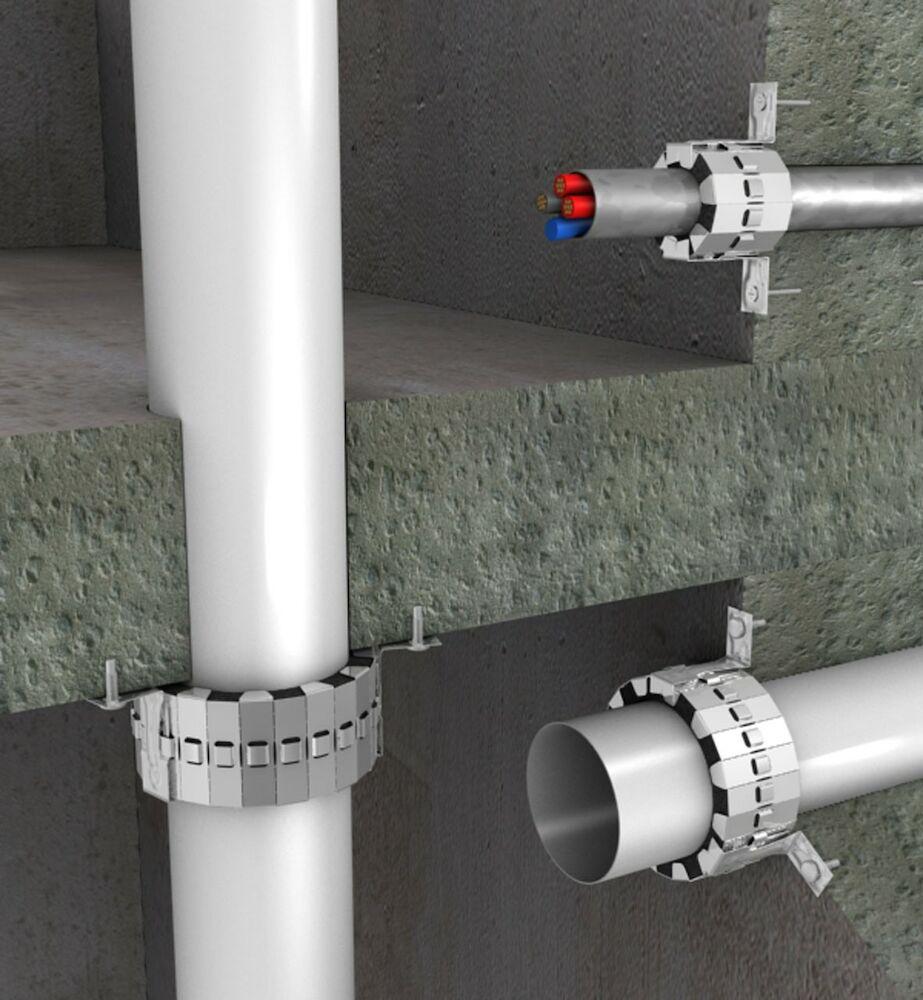
A fire collar is a passive fire protection device designed to seal plastic pipes where they pass through fire-rated walls and floors.
When exposed to heat, the intumescent material inside the collar expands and crushes the pipe, sealing the opening and preventing fire and smoke from spreading.
This is essential because plastic pipes melt during a fire, leaving open holes that allow flames to travel between compartments.
How to Choose the Right Fire Collar
Follow these steps to select the correct fire collar:
- Identify pipe material (PVC, HDPE, PP-R)
- Measure pipe diameter accurately
- Determine wall or floor application
- Check required fire rating (FRL)
- Select a tested system compliant with AS1530
Choosing the correct combination ensures your installation meets NCC requirements.
Fire Collar Size Guide
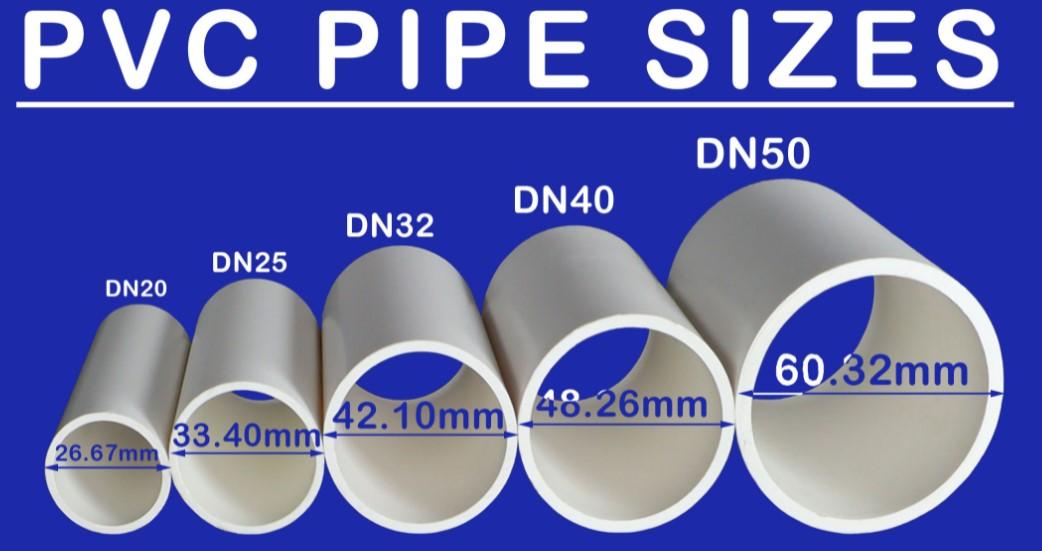
Fire collars must match the outside diameter of the pipe. Below is a general guide:
| Pipe Size | Fire Collar Required |
|---|---|
| 50mm | 50mm Fire Collar |
| 65–80mm | 65mm–80mm Fire Collar |
| 100mm | 100mm Fire Collar |
| 150mm | 150mm Fire Collar |
| 200mm+ | Specialised Fire Collar |
Fire Collars for Walls vs Floors
Wall Penetrations
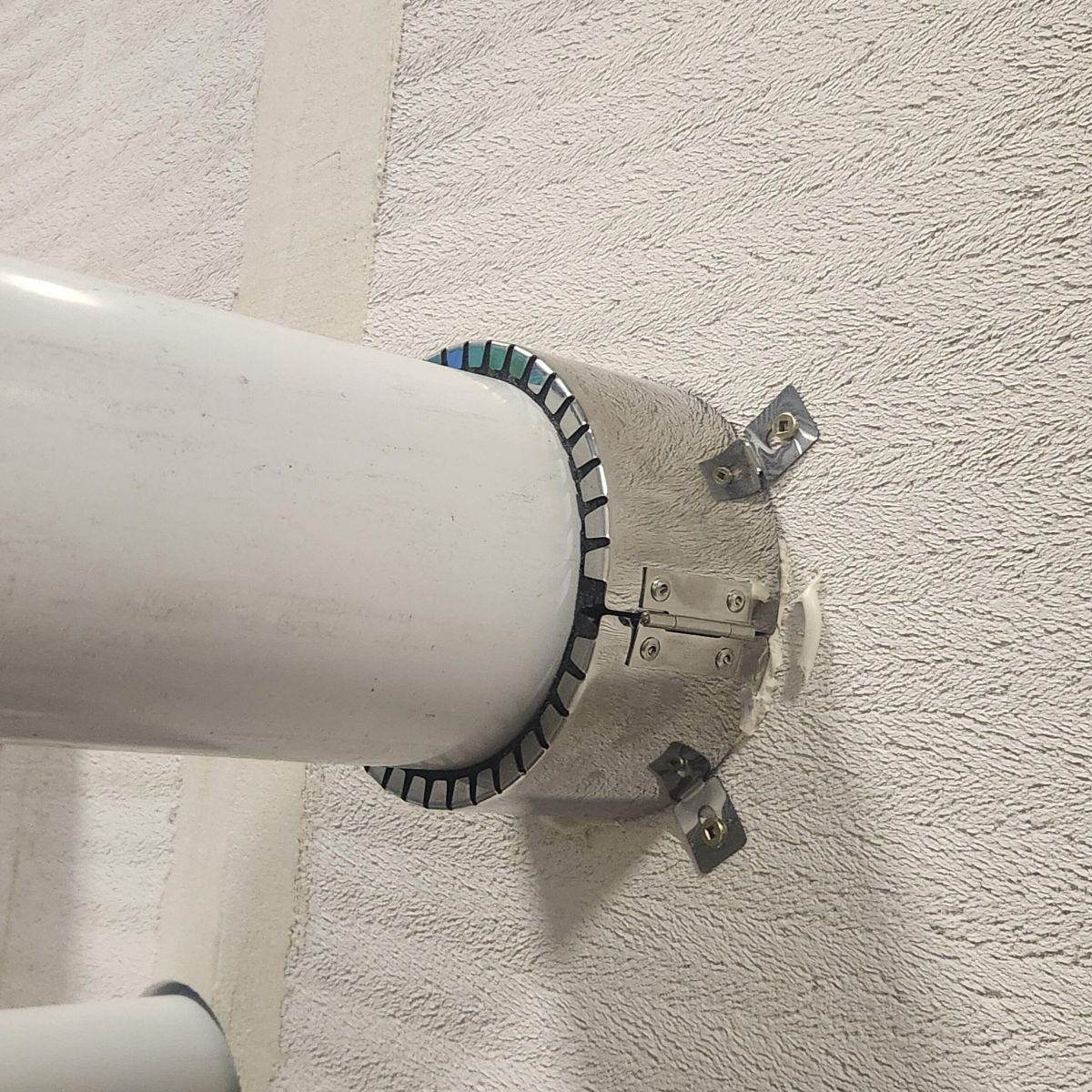
In most wall applications, fire collars are required on both sides of the wall to maintain the fire rating.
Floor Penetrations
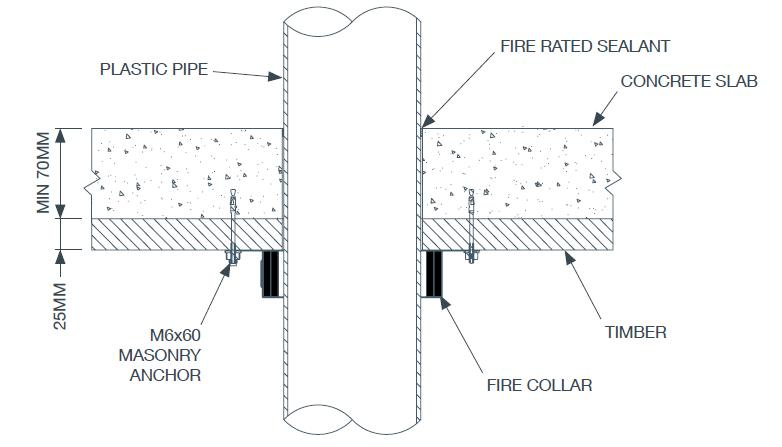
For floor slabs, fire collars are typically installed on the underside, but this depends on the tested system.
Fire Collar Requirements in Australia
Fire collars must comply with the National Construction Code (NCC) and be tested to AS1530 fire resistance standards.
All installations must:
- Maintain the fire resistance level (FRL)
- Use tested and approved systems
- Follow manufacturer installation guidelines
Failure to comply can result in failed inspections and non-compliant buildings.
Common Fire Collar Mistakes
- Using the wrong size collar for the pipe
- Installing on one side only when both are required
- Not sealing around the penetration
- Using fire sealant instead of collars for plastic pipes
- Ignoring tested system requirements
What Fire Collar Should You Buy?
Here’s a quick guide:
- 50–100mm pipes: Standard fire collars
- 100–150mm pipes: Medium-duty collars
- 150mm+ pipes: Heavy-duty or specialised systems
- Floor penetrations: Check tested system requirements
Fire Collar FAQs
Do I need a fire collar for every pipe?
Fire collars are required for plastic pipes that penetrate fire-rated walls and floors.
What size fire collar do I need?
The collar must match the pipe diameter and be part of a tested system.
Can I use fire sealant instead?
No. Fire sealants are not suitable for plastic pipes as they do not collapse the pipe during a fire.
Do fire collars need both sides?
In many wall applications, yes. Always follow the tested system details.